
The Protective Nature of Your Wildness (and what happens when the adults leave the building)
Have you ever looked back at a conflict or a destabilizing conversation with someone you care about and thought, “What the heck just happened? How did that go sideways so fast?”
When a relationship dynamic gets suddenly chaotic, it’s usually because a very specific shift has occurred: All the adults have left the building.
In those moments, our inner children and our survival strategies take over the microphone. They aren't trying to be difficult—they are crying out to be heard, doing whatever it takes to get their needs met, keep us safe, and protect us from old wounds of ostracization or abandonment.
Understanding Your Survival Strategies
When we were small, we developed unique protection strategies to navigate our families and environments. These strategies protected our sense of worth, trust, safety, belonging, and autonomy.
For me personally, I carry a core wound around my worth. My strategy often seeks confidence outside of myself—through the approval of others, getting things "right," and being recognized for my skills. I also hold a deep tension between wanting to feel free to be my unique self while simultaneously feeling the pressure to perform to be accepted.
On the outside, I express myself boldly. I have tattoos, I dress colorfully, and I can be loud and outspoken about what I feel passionate about. Yet, I’ve sometimes been told I am "intimidating."
The truth? I kind of had to be. I was raised by fierce people with trauma, just like the rest of us. My wildness, my loud expression, and my protective edges were built for survival.

Unless we plan on living on a mountain without human contact, these old strategies will show up in our relationships. And when your unique strategy collides with your partner’s or friend’s strategy, it creates a very specific relational weather pattern—a perfect storm where both of your hurt, small parts are trying to run the show at the same time.
Why Palatability Puts You at Risk
To avoid these storms, many of us try to make ourselves palatable. We quiet our truth, dim our expression, and shrink into what we think others want.
But being palatable actually puts you at greater risk in intimacy.
When you abandon your truth to keep the peace, you create hidden resentment and self-betrayal. True liberation and secure intimacy do not come from playing small; they come from embodiment, self-expression, and unapologetic wildness.
Creating moments of pleasure, presence, and aliveness in your own body is a life-giving practice—not just for you, but for everyone who touches your life. When you inhabit your body fully, you model what it looks like to be rooted and free.
The Power of Trauma Empowerment
Recognizing that we all have trauma and survival strategies isn't about blaming ourselves—it reduces shame. It allows us to look at our Sideways Moments with curiosity rather than self-judgment.
We call this Trauma Empowerment: knowing that while we may have experienced trauma, we have the capacity to be our own leaders today.
When you notice that an argument is escalating and the adults have left the building:
Slow Way Down or Pause: You cannot make clear, wise decisions when your nervous system is in survival mode.
Lean into Resources First: Before you can access your wise adult leadership or offer empathy to someone else, you need to regulate yourself. Empathy requires capacity; you cannot walk in someone else's shoes when your own hurt feels too big.
Sourcing Your Resources (Without Judgment)
Regulating your nervous system requires tangible resources. Some of these are direct regulation tools:
Therapy or coaching
Walking in nature or physical exercise
Listening to music
Art, journaling, and somatic movement
Offloading with a trusted confidant
Other times, we rely on soothing and coping resources: watching TV, eating, drinking, physical closeness, sex, bodywork, or large social gatherings.
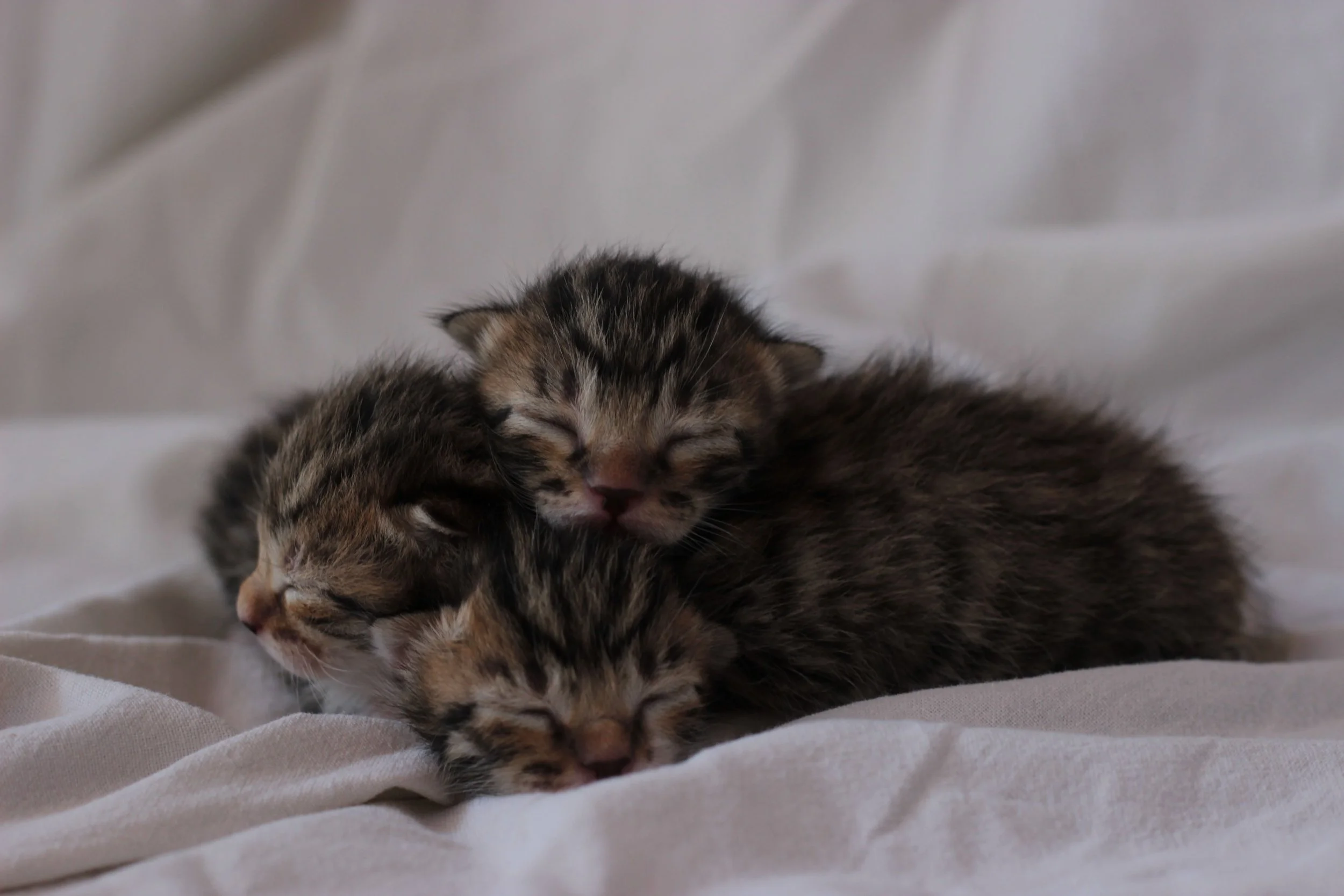
Notice if you immediately judge these as "good" or "bad." See if you can hold compassion for all the ways we navigate the sheer intensity of living in a body, in community, and in deep relationship. It is a wild ride.
Stay Wild
Wild animals literally bare their teeth at each other to set boundaries. We carry those exact same energetic frameworks in our bodies.
When my children were small, they used to growl at strangers. I secretly loved it. I felt proud of their instinctual wildness—and at the same time, I would gently reassure them: "You are safe. There is a responsible adult right here paying attention."
That is the exact relationship we must build with our own small, protective parts. We don't need to eliminate our wildness or shame our protective strategies. We just need our wise inner adult to step in and say: I am here now. You are safe. You are allowed to play, create, and live a full, pleasurable life without living in constant fear of hurt.
So stay wild, honor your edges, and bring your whole self home.
Ways to Work & Gather Together
If you are ready to explore your patterns, step out of survival mode, and cultivate deeper, more authentic connection with yourself and others, here are a few ways we can connect:
Book a Curiosity Session (45 Mins | Special Introductory Rate): Perfect for individuals or couples who want a low-pressure place to start. In this 45-minute introductory call, we’ll explore what you are truly longing for in your life and relationships, map out what needs to happen to get you closer to it, and see what kind of support fits best.
1-on-1 & Relational Coaching: Deep, dedicated coaching containers tailored for individuals, couples, or multi-partner dynamics looking to rewrite old relational patterns, build secure attachment, and deepen self-intimacy.
Join Us at The Cuddle Lab: Gather with us on the 2nd Friday of every month for a guided, low-pressure evening dedicated to platonic touch, consent, boundary-setting, and genuine human connection.
